
MBALE, Uganda, In a significant event that promoted unity and growth, the Zionist Movement Uganda (ZIMU) held a major symposium on “Strengthening Abayudaya Jewish Communities through Zionist Principles.” Hosted by Cousel Sebagabo Moshe, ZIMU’s First Deputy President, assisted by Mr. Yaakov Ssentamu, the event drew over 70 community leaders and important figures for a day of meaningful discussion and planning.
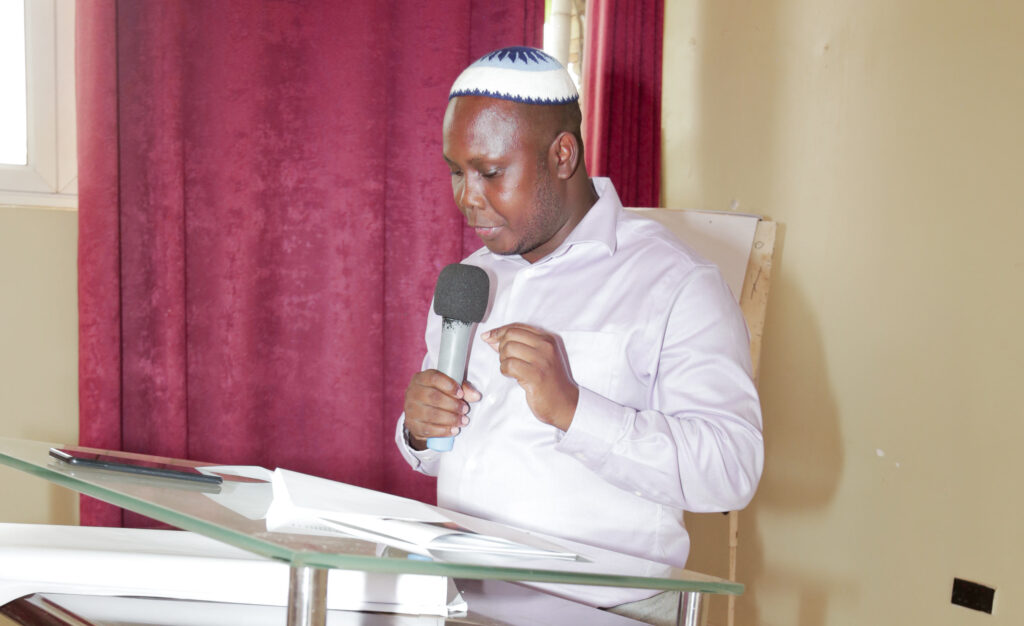
The atmosphere buzzed with excitement as participants arrived, representing a vibrant future for the Abayudaya. Rabbi Gershom Sizomu, the official delegate and spiritual guide, opened the day with a respectful tone and a shared mission. He grounded the ambitious agenda in timeless values, stressing that mutual respect should be the foundation of the federation’s efforts. His strong call for increasing commitment to learning Hebrew was not just an educational goal but a vital link connecting Ugandan Jews to their global family and heritage. “I once expedited the issuing of a visa for a colleague by merely switching the conversation to Hebrew,” he shared, framing it as an essential step for genuine growth.
Yair Lootsteen, Head of the World Zionist Organization’s (WZO) Igroon and Israelis Abroad Department, expressed his happiness at the attendees’ visible enthusiasm. From his perspective as a global leader, he addressed internal community dynamics, offering an important reframe: “Disagreements within a living, breathing federation are not only healthy but normal,” he noted. He further enriched the gathering with a public lecture on Zionism.
A key moment occurred with the presentation of a community economic blueprint. Hoshea Silver Walugembe Magezi, Chairman of the Uganda Jewish Wealth Creation Initiative (UJWeCI), unveiled the UJWeCI model, which he referred to as a “faceless revolution.” This carefully crafted model aims to change the economic situation for Ugandan Jews, transforming isolated challenges into a collective source of prosperity and promoting true self-reliance. The audience listened intently as he described a future based on shared resources, knowledge, and investment. “UJWeCI is not my dream; it is our collective dream,” Magezi emphasized. “My personal dream is a day when the economic success of one Ugandan Jew isn’t seen as exceptional but as a normal, expected outcome within our community.” Read more.
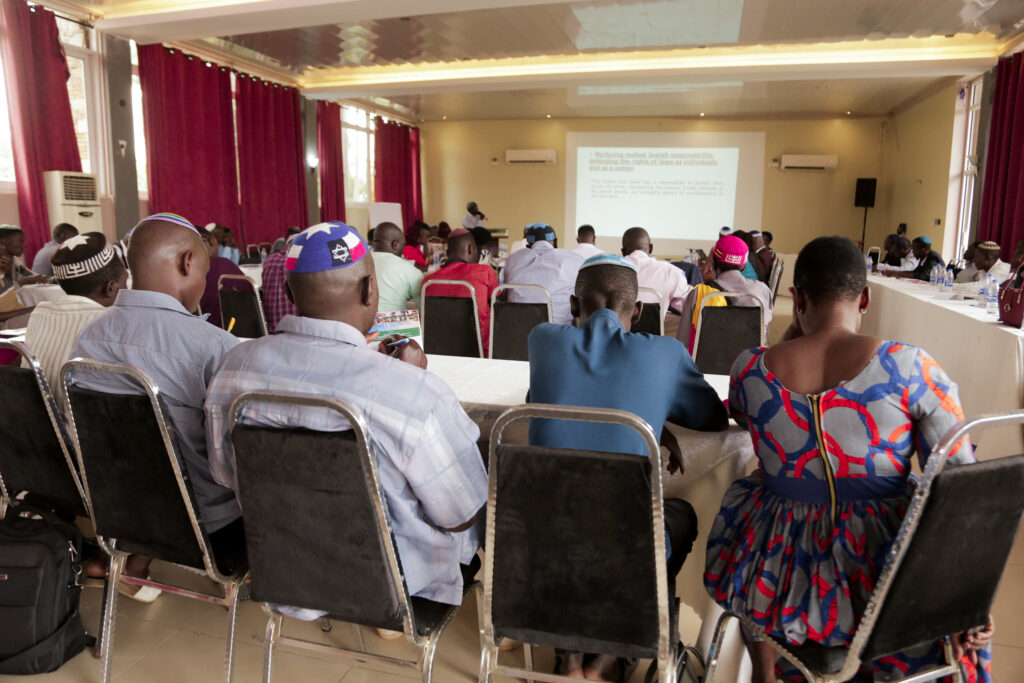
As the morning unfolded, Enoch Innocent, Head of Arzeinu Uganda, clarified the structure of Zionism. He explained the role of a delegate, cutting through any organizational confusion. “A delegate is not just a title,” he said. “A delegate strategically represents and communicates his party’s beliefs with consistency and accountability.” This lesson connected the day’s ideals to practical governance.
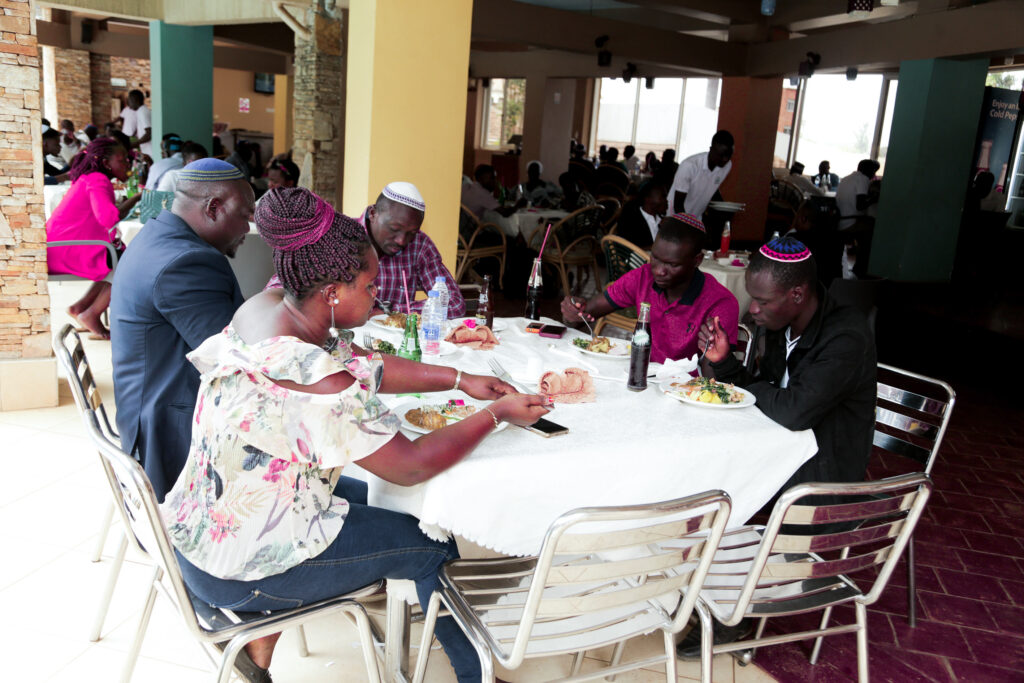
After a large kosher lunch that celebrated both faith and community, the symposium reconvened for deeper discussions. Counsel Sebagabo Moshe, ZIMU’s First Deputy President, spoke about the core principles of Zionism. His presentation provided valuable insights, helping the audience understand what Zionism truly means beyond headlines and connecting it to their own journey of identity and resilience.
Keron Siriri, the 3rd Deputy President, promoted a culture of shared opportunity, strongly criticizing the practice of withholding knowledge on how to navigate the broader Jewish world. He urged community members to actively support one another in making connections. Talent identification:- He also emphasized parents to always support their children and youth to continuosly support their talents in order to be competitive when tournaments participation in local and international Jewish world sports avails so as to feel not left out , inclusivity will be based on merit hence creating more unity.
The floor then opened for a lively community dialogue, expertly moderated by Second Deputy President Racheal Namudosi. This session became the heart of the day, where theoretical ideas met real
experiences. Voices from all over the community expressed shared priorities: unwavering mutual respect, the urgent need for women’s inclusion in leadership, and the practical necessity for dedicated central offices for ZIMU as a physical hub for their work. The dialogue concluded with Rabbi Moshe Madoi’s offer, addressing the earlier call for Hebrew literacy: “We, the Hebrew teachers, are not just available; we are waiting. Our phones are on. Do not hesitate to call on us. Your fluency is our success.” This moment highlighted the transition from aspiration to action.
The symposium wrapped up with a moving address from Avram Mukiibi, President of ZIMU. He spoke with the authority of his position and the warmth of a community member, delivering a powerful speech. He first reaffirmed ZIMU’s strong commitment to fighting for justice and the community’s rights. He addressed speculative claims about the creation of alternative structures, reinforcing ZIMU’s legitimacy as the official federation. Most importantly, he emphasized the need to grow their collective numbers and strength before considering internal political divisions. To applause, he promised that the long-discussed ZIMU central offices would soon become a reality, providing a permanent home for their movement.
The formal agenda ended not with a conclusion but with a joyful beginning. Participants gathered for a cake-cutting ceremony, celebrating a milestone of great significance: the first anniversary of Uganda’s official recognition by the World Zionist Organization. This act symbolized the day’s overarching message—a community that was once isolated is now confidently stepping onto the global stage, united, and building its empowered future.
About Zionist Movement Uganda (ZIMU):
ZIMU is the official Zionist federation for Uganda, recognized by the World Zionist Organization. It aims to advocate for the rights and strengthen the Abayudaya Jewish community through education, economic initiatives, and the promotion of Zionist ideals.
For more information, contact: info@zionistmovementuganda.org
Website: www.zionistmovementuganda.org
Related Posts

Get Involved in the WZO Elections
The World Zionist Organization (WZO) elections are an important part…
How Uganda’s Jewish community launched a “FACELESS REVOLUTION” to redefine their economic dignity
In what community leaders are calling a "generational pivot," Uganda's…